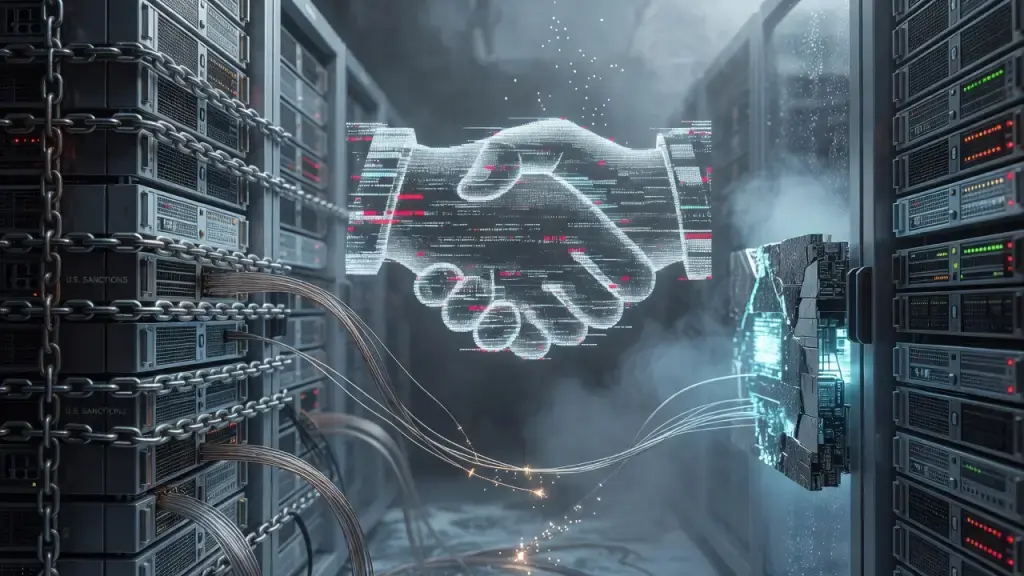
Negotiations aimed at bringing foreign video game servers onto Iranian soil have come to a halt, according to the head of the National Foundation for Computer Games. Mohammad Haji Mirzaei said talks with several international partners, including Chinese companies, had been progressing before the events and turmoil of the Iranian year 1404 but are now frozen indefinitely.
Why Server Location Matters for Gamers
For online gaming, physical server location is not a technical footnote - it shapes the entire user experience. When a game's server sits far from a player, data must travel longer distances, producing higher latency, commonly known as ping. Elevated ping translates into delayed inputs, momentary disconnections, and an unstable connection overall. Hosting servers domestically, Haji Mirzaei explained, addresses this problem at its root: players connecting to a local server typically see sharply reduced ping, steadier access, and fewer sudden drops in connectivity. This is a pattern observed globally wherever game publishers localize infrastructure, not a claim unique to Iran.
Sanctions, Not Domestic Restrictions, Cited as the Barrier
Haji Mirzaei drew a sharp distinction between infrastructure built to bypass externally imposed restrictions and previous domestic schemes such as the so-called "Pro Internet" tiered-access plan, which was widely criticized for charging citizens to unlock services that authorities themselves had limited. In his telling, the situation with gaming infrastructure is different: the restrictions in question originate from sanctions imposed by the United States, not from a domestic decision to throttle access. Crossing that barrier, he argued, requires dedicated infrastructure - whether funded publicly and offered free at a basic level, or built by private operators who recoup costs through subscription fees from players.
He was explicit that this distinction matters for public trust: if citizens come to believe that authorities first restrict access and then charge for its restoration, the misunderstanding could undermine the entire initiative, regardless of its actual origin or intent. Tools such as custom DNS configurations or other circumvention methods, he noted, could in principle let gamers reach needed services regardless of which internet connection they use, without creating a separate, paid tier of access.
Platforms Affected and the State of Talks
The foundation has received numerous inquiries from developers and gamers about restricted access to foreign tools, including the artificial intelligence platforms Qwen and Kimi, the design tool Figma, and the Unity game engine. The Telecommunication Infrastructure Company, according to Haji Mirzaei, has been working to route traffic through alternative paths to mitigate sanctions-related disruptions to these services.
On server relocation specifically, he said negotiations with several well-known foreign titles - particularly through Chinese partners - had reached a constructive stage before the 1404 disruptions intervened. Those talks are now suspended, with foreign partners waiting to see whether conditions will allow renewed cooperation and a continued presence in the Iranian market. "At present no negotiation is underway," he said, adding that the foundation is waiting for circumstances to allow the process to resume.
Infrastructure Support and What Comes Next
Haji Mirzaei noted that the Telecommunication Infrastructure Company has expressed willingness to support the effort, stating it could offer the best available infrastructure to any foreign gaming company prepared to relocate its servers to Iran. Should talks resume, such cooperation could materially improve latency and reliability for Iranian players - benefits that depend less on policy statements than on the practical, continued willingness of foreign publishers to operate servers inside the country amid an uncertain sanctions and political environment.